Pain is not a single problem. It is a sign, a condition process, a social stress factor, and typically an obstacle to recuperation and trust fund. When you work in the real world of emergency situation bays, recovery fitness centers, aged treatment homes, or basic practice spaces, you really feel the repercussions of badly managed discomfort the very same day. Patients spiral into unnecessary imaging, expanded bedrest, anxiety about motion, sleep interruption, and occasionally risky self-medication. Getting discomfort right is not simply kinder, it transforms results. That is the assurance of a robust supply pain monitoring training course, particularly when it straightens with identified expertises such as PUAEme008 Provide Discomfort Management.
This guide unpacks who benefits most from pain management training, what a legitimate discomfort monitoring certification program need to cover, and how to select in between brief training courses in pain management and deeper programs. If you are choosing whether to spend time and money, make use of the real-world circumstances and compromises listed below to set your priorities.
What "give pain administration" indicates in practice
In numerous health care and emergency situation contexts, "supply discomfort monitoring" defines a defined set of skills: evaluate pain swiftly and properly, deal with within your scope, monitor the person's feedback, rise when needed, and document plainly. The puaeme008 offer discomfort management device, for instance, concentrates on the risk-free, reliable shipment of analgesia in intense treatment and prehospital setups, under proper administration. While terms and range differ across territories, the core corresponds: incorporate professional reasoning, pharmacology understanding, and interaction to ease suffering without producing brand-new risks.
In technique, that appears like identifying time-critical warnings, differentiating nociceptive discomfort from neuropathic attributes, picking analgesia that fits the patient's physiology and context, and making use of non-pharmacological measures that function. The series issues. When I educate triage registered nurses and paramedics, the steepest discovering curve is not medicine dosages, it is asking the appropriate 3 concerns quickly and after that staying curious long enough to discover the outlier signs.

Who benefits most from a discomfort administration course
The individuals who get the most out of pain management programs bring frequent individual call and a certain set of obstacles. The curriculum lands in a different way relying on your environment.
Emergency and urgent care registered nurses commonly satisfy individuals at peak distress. For them, rapid analgesia methods, familiarity with intranasal and IV options, and review habits transform throughput and person safety and security. In my experience, registered nurses that complete pain management training for nurses decrease door-to-analgesia times by 20 to 40 percent, due to the fact that they obtain self-confidence with standing orders and high-yield assessments.
Paramedics and very first -responders require a slim, definitive toolkit. Air passage is constantly king, yet discomfort can thwart participation with splinting, extrication, or transportation. The PUAEme008 provide pain monitoring framework maps well to this world: signs, contraindications, and dosage varieties you can perform at 2 a.m. with handwear covers on and sirens sobbing. Training additionally covers group interaction, due to the fact that one of the most usual mistakes in the field are not pharmacologic, they are coordination failures.
Physiotherapists, osteopaths, and exercise experts have a different trouble. They acquire clients after the first wave of acute care. Persistent and subacute pain make up a significant share of their caseload, but several curricula shortchange discomfort scientific research and habits modification. Discomfort monitoring courses for physio therapists that incorporate rated direct exposure, pacing, and reconceptualization give them a way to change fear-avoidance and improve adherence. When specialists can clarify central sensitization without lingo, people quit treating their back like glass.
General practitioners and primary care groups rest at the key of duplicated gos to. They stabilize analgesia, work certification, activity suggestions, and mental health and wellness in 15-minute blocks. A certification training course in pain management tuned for primary care assists with tipped treatment strategies, deprescribing, and discussions concerning opioids that land without confrontation. General practitioners that develop their method typically see fewer unplanned follow-ups and less polypharmacy over 6 months.
Aged treatment and palliative care experts encounter under-recognition greater than overtreatment. Discomfort in dementia and multimorbidity hides in anxiety, refusal to mobilise, or drops. Discomfort administration training courses that cover observational pain ranges, equianalgesic conversions, and non-oral courses alter the day-to-day lifestyle for residents. Small success issue below: comfort with transdermal and subcutaneous options, mouth care, and sleep routines.
Allied psychological health and wellness medical professionals treating injury, anxiety, and anxiousness fulfill pain daily. They are not prescribers, yet they can shift end results by resolving catastrophizing, rest, and activity patterns. Short courses in pain monitoring with a cognitive-behavioral and acceptance-based lens increase their toolbox and strengthen partnership with medical colleagues.
If your function converges any of these realities, a structured discomfort administration course will certainly pay back fast. The more you rely upon fast choices under unpredictability, the much more you benefit from a clear psychological model and a tiny collection of reliable tools.
What a solid pain management training program includes
Pain monitoring covers physiology, pharmacology, psychology, and interaction. Good programs cover sufficient of each to generate consistent, secure practice.
Foundations of pain science. You require a functioning grasp of nociception, inflection, and main sensitization. Not a textbook phase, simply sufficient to understand why a person with a healed disc lump still hurts, or why an ankle joint sprain deserves ice, compression, and early motion rather than bedrest. When medical professionals see discomfort as a protective system instead of a damage meter, their suggestions changes.
Assessment that respects warnings and context. Many training courses teach numerical ranking ranges and leave it there. That is not enough. You want functional scripts for checking out discomfort quality, feature, and meaning, plus a list of red flags you will certainly not miss out on. The powerful step is tying evaluation to action. If a client has nerve origin indications plus dynamic weakness, rapid imaging and recommendation issue. If a patient has wide inflammation, poor sleep, and low mood, the following action is not an MRI, it is a conversation and a plan.
Pharmacology with actual dosing and side-effect management. Discomfort monitoring accreditation should cover dosage varieties, courses, beginning times, and exactly how to minimize nausea, irregular bowel movements, and ecstasy. It ought to deal with common misconceptions, like the idea that more powerful opioids always mean much better relief, or that NSAIDs are benign in every older grownup. Prehospital programs need to emphasize intranasal fentanyl and methoxyflurane where in-scope, plus ketamine titration protocols for serious trauma when permitted. Medical care programs must show multimodal routines that stay clear of dosage creep.
Non-pharmacological techniques Click here for more info that clients actually make use of. Clients remember the simple things that function. Positioning, splinting, ice or warm with timing guidance, topical agents, breathing techniques, and graded task need to be shown with the very same seriousness as drugs. The very best pain administration training for nurses, physiotherapists, and allied professionals consists of online presentations and instance debriefs that show what to do in a hectic shift.
Communication that resets expectations. Several repeat attenders are stuck not since the injury is severe, but because the story around it is frightening or corrective. Educating that includes quick manuscripts for peace of mind, return-to-activity strategies, and what-if scenarios can restrain this. For example, informing a client with acute low neck and back pain that the back is durable, a lot of episodes work out within days to weeks, and very early strolling is risk-free, is not soft talk. It is evidence-based analgesia that lowers repeat imaging and opioid exposure.
Documentation and governance. Discomfort administration is medicolegal territory. Courses ought to educate plain-language paperwork that catches standard, intervention, response, and security checks. If the course straightens with puaeme008 provide pain monitoring, anticipate modules on extent of method, authorisations, and when to call for clinical backup.
Case-based discovering and wedding rehearsal. Discomfort is discovered finest in circumstances that approximate the noise and time stress of actual work. Good programs simulate the unpleasant component: the family member asking for stronger medications, the individual that reports no alleviation 5 mins after an intranasal spray, the youngster who will certainly not allow you touch their arm. Practice scripts for those moments beat concept every time.
What PUAEme008 Supply Discomfort Management adds
The PUAEme008 system is common in prehospital and emergency situation education and learning. It concentrates on safely providing analgesia within specified protocols, reflecting on, and turning over cleanly. It fits paramedics, emergency situation responders, and emergency division registered nurses running under standing orders or medical direction. If your role consists of emergency situation discomfort monitoring, a training course mapped to puaeme008 offers you:

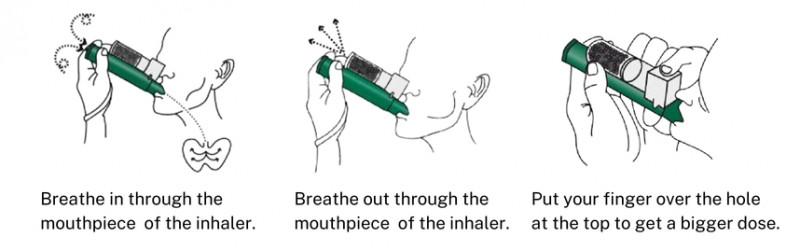
- Clarity on indications, contraindications, and dosage varieties for analgesics in the field, with emphasis on intranasal and inhaled paths where appropriate. A structured strategy to reassessment and rise, including when to switch over agents or include non-pharmacological measures. Documentation and handover routines that decrease mistakes during shifts of care.
This is a useful credential. If you need a pain management certification that demonstrates preparedness for severe treatment changes or ambulance rosters, a program lined up to PUAEme008 is commonly the best choice.
Choosing between brief courses and qualification programs
Not every person requires the very same deepness. Think of your goals, your range, and your constraints.
If you are new to acute treatment or returning after a break, a detailed discomfort monitoring qualification program with evaluation and supervised situations deserves the moment. You will certainly cover safety and security, application, and teamwork, and you will make a discomfort management qualification that indicates proficiency to employers.
If you currently technique however really feel gaps around relentless pain, pick targeted pain management courses that focus on biopsychosocial approaches and habits change. Many medical professionals in rehabilitation and medical care gain much more from a focused certificate training course suffering administration that covers chronic pain structures than from a program heavy on acute pharmacology.
If you have no spare data transfer, consider brief training courses hurting administration that you can complete in fifty percent days. The payoff can still be considerable if the material is functional and immediately used. Try to find programs that offer you 2 or three tools you can attempt the next shift, not a complete textbook in slide form.
If your duty covers emergency situation and ward care, mix and suit. Start with emergency pain monitoring training that toenails very early analgesia and reassessment. Add a module on relentless discomfort to support secure discharge plans and lower readmissions.
What discomfort management programs for nurses and physiotherapists ought to look like
Nursing and physiotherapy functions overlap in unexpected methods. Both are close to the person, both take care of anxiety and activity, and both impact adherence.
For registered nurses, credible discomfort monitoring training for registered nurses should bring fast success: standing orders self-confidence, non-oral paths, ecstasy avoidance, and the habit of review at predictable intervals. Nurses drive analgesia timing. If a ward registered nurse can forecast when a patient's shoulder will harm throughout physio and pre-empt it with the right agent and remainder positioning, rehabilitation remains accelerate.
For physio therapists, discomfort monitoring programs for physiotherapists must provide structured direct exposure preparation, pacing tools, and cueing methods for motion without flares. Teach the pain scientific research just sufficient to change habits. After that offer templates for graded walking, sleep re-training, and flare plans, plus a reference map for when pain suggests major pathology or needs clinical coordination.
Both techniques gain from common language. When registered nurses and physios use the exact same discomfort ranges, specify flare-ups likewise, and agree on step-up analgesia, individuals listen to one strategy and comply with it.
Practical signs that a training course is worth your time
When you are picking amongst programs, look past the brochure wording and ask sharp concerns. Excellent discomfort monitoring training courses share a few qualities:
- Content maps to your scope of method, with clear boundaries and escalation pathways. You should not be taught to suggest outside your authority, or left without a plan for when your first-line fails. Assessment requires demo, not just multiple-choice recall. Situations, role-play, and situation reviews disclose whether the knowing will certainly stick under pressure. The educational program blends pharmacological and non-pharmacological approaches. If it is meds-only or philosophy-heavy, you will certainly have a hard time to use it in an active shift. Instructors reveal area experience. You want instructors that can describe the moment their plan stopped working and what they changed next time. Post-course sources exist, such as quick-reference cards, dosing charts that fit in your pocket, and refresher courses or audits at 6 to 12 months.
Those standards map to better method adjustment. A discomfort management certificate training course that pleases them will make you safer and quicker without pushing you past your legal scope.
Real-world scenarios where training adjustments outcomes
A five-year-old with a lower arm crack. She is frightened, securing, and rejects an IV. A registered nurse learnt emergency situation discomfort monitoring uses intranasal fentanyl, protects mild sedation with distraction and parental training, and gets imaging without restraint. Splinting happens calmly. Radiation and ED time decrease, and the family leaves praising the treatment as opposed to the lollipop.
A 74-year-old in an aged care center with brand-new anxiety and a current autumn. As opposed to increasing antipsychotics, a trained registered nurse completes an empirical discomfort range, trial-doses regular paracetamol with a breakthrough routine, changes to a bowel-friendly strategy, and changes positioning. Frustration boosts, staff injuries drop, and the resident involves with dishes again.
A stockroom employee with severe low back pain walks right into primary care. Without training, this visit might finish in imaging, opioids, and remainder. With a medical professional that completed a pain management certification, the examination fixate confidence, strolling, topical NSAIDs, and a follow-up strategy with clear flare advice. The patient go back to work within days instead of weeks.
A physio therapist managing an individual with knee OA and fear of activity. Rather than chase after pain with modalities, the therapist introduces rated exposure, sets action objectives, reinforces the hip, and works together with the general practitioner on topical anti-inflammatories. Discomfort decreases sufficient for the individual to approve lifestyle changes that outlive the treatment block.
These are not miracles. They are what occurs when core skills line up with the right choices at the right time.
Safety, threat, and the opioid question
Any straightforward discussion of discomfort monitoring have to resolve opioids. They are essential in particular settings, specifically injury, perioperative treatment, and some palliative contexts. They are likewise risky. Training should educate when opioids are ideal, exactly how to start reduced and display, and how to focus on non-opioid options first where proof sustains them.
The trade-offs are sensible. In the field, intranasal fentanyl can be much safer and faster than IV morphine while still efficient. In health care, a brief program of opioids for serious sharp pain may be reasonable, yet only with a departure strategy, digestive tract program, and safeguard. For persistent non-cancer discomfort, lasting opioids hardly ever defeated a multimodal approach. A thoughtful discomfort monitoring course recognizes both realities, without ideology.
Ketamine should have mention. When permitted by scope and methods, low-dose ketamine supplies solid analgesia for extreme injury or when opioids are contraindicated. It needs training for dissociation, blood pressure impacts, and appearance responses. Used well, it can avoid undertreatment. Utilized inadequately, it makes complex a scene. Training courses lined up with emergency situation discomfort administration need to instruct it with respect, not as a magic bullet.
The concealed curriculum: time, teamwork, and flow
Pain administration is not just concerning what you offer. It is about timing and synergy. Departments that do analgesia well share practices: triage starts the discomfort plan, handovers include discomfort trajectory and following dosage timing, and physical rehabilitation timetables collaborate with tops of alleviation. Documents supports the following person. These sound like society, but training can seed them.
One practical idea that sticks from good programs is the "two-touches" regulation. If you provide analgesia, you own the follow-up analysis within a defined home window, even if the person moved bays. That single habit minimizes missed out on discomfort and shows patients that alleviation issues. An additional is standardizing a basic review scale that lives in your pocket. Discomfort scores are candid, however trends are everything.
Cost, time, and credential value
Clinicians often evaluate price against time away from job. The ranges differ by area, however a short sensible pain management training may run half a day at moderate price, while a full discomfort monitoring accreditation program with assessment could cover 2 days and cost more. If your company reimburses continuing education, a certification assists validate the spend. If you pay personally, select programs where the learning adjustments your following shift. That is the genuine ROI.
For those targeting duties that need documented competency, such as ambulance solutions or ED onboarding, a pain monitoring certificate lined up with PUAEme008 or another identified device may be non-negotiable. For allied health personal technique, the value depends on outcomes and patient experience as opposed to a details code on your return to. Regardless, the marketplace prefers medical professionals who lower pain safely, connect steadly, and avoid unnecessary escalation.
Signals that you are ready to enroll
You should think about an offer pain administration program if any one of these feeling acquainted. You avoid particular people since discomfort discussions spiral. You are unclear which analgesic to select when NSAIDs are high-risk. You count on a couple of representatives by routine instead of by fit. Your division's door-to-analgesia time frustrates both you and your individuals. You want to assist persistent discomfort patients move once again but really feel light on useful manuscripts. You have had a near miss out on with over-sedation or a missed warning and want guardrails.
Training does not remove uncertainty. It provides you patterns that decrease it. After a great course, anticipate to have less alternatives in your head, not more. That clearness assists under pressure.
How to maximize the training you choose
Before the training course, note 3 circumstances that consistently trip you up and bring them to course. During sessions, technique aloud, not just in your head. Role-play feels unpleasant, which is why it works. Later, alter one behavior at a time. As an example, take on intranasal analgesia for proper instances and gauge just how typically it reduces time to alleviation. Or script your back-pain talk and utilize it for two weeks. Small, gauged adjustments stick.
If your team can participate in together, do it. Shared language and methods transform private skills right into department circulation. Adhere to with a quick huddle a month later on to compare what stuck and what requires adjustment.
Final thoughts
An offer pain monitoring program is not simply a certification on a wall. It is a collection of choices you will certainly make in crowded spaces and quiet homes, with individuals who trust you to help. Whether you choose a concentrated pain administration certificate for emergency situation practice, wider pain administration training for registered nurses, or discomfort management training courses for physio therapists that grow your rehabilitation approach, the goal is the same: alleviate suffering with judgment and care.
Look for programs that integrate science with method, respect your extent, and equip you for the messy center of real life. If they map to identified proficiencies like puaeme008 offer pain monitoring and leave you with devices you will certainly use tomorrow, they deserve your time. The clients that shuffle in grimacing, or wake at night worried about relocating, will certainly really feel the difference. And so will certainly you.